

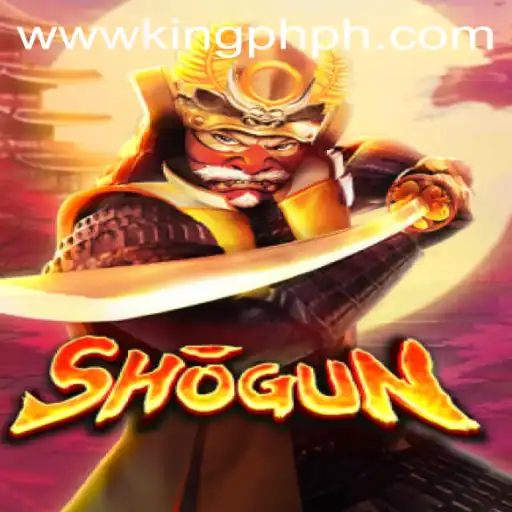
Delve into the captivating world of Shogun, a strategic game with a cultural twist and the dynamics of power plays inspired by ancient Japan.
The World of Shogun: A Captivating Strategy Game
The game Shogun transports players to the thrilling world of strategic decision-making set against the backdrop of ancient Japan. As a player, you are immersed in a rich environment where skillful strategy and cunning diplomacy are your greatest allies. Shogun is renowned for its cultural homage to Japanese history, providing an engaging experience that appeals to both strategy enthusiasts and history buffs.
Introduction to Shogun
Shogun beautifully blends strategy with historical elements, inviting players to embrace the role of a powerful daimyo during Japan's Sengoku period. This period, often referred to as the Warring States period, was marked by social upheaval, political intrigue, and near-constant military conflict. Players are tasked with uniting Japan under their own rule, drawing heavily from historical milestones to build an empire.
The game is designed for those who enjoy meticulous planning and intricate gameplay. Each decision impacts the trajectory of your dominion, from managing resources and forming alliances to engaging in battles that can turn the tides of war. At its core, Shogun is about understanding the complex web of governance and strategy, much like the historical shoguns who wielded power over feudal Japan.
Game Description
In Shogun, each player assumes control of a daimyo, a powerful feudal lord with aspirations of becoming shogun—an ambitious leader who unifies Japan through clever strategies and military prowess. The game board represents Japan, divided into provinces, each holding strategic importance and resources crucial for development. Control over these provinces determines the player's power and potential for victory.
The gameplay is conducted in turns, allowing players to develop their provinces, build armies, and plan their paths to dominance. The use of units like samurai, ashigaru infantry, and even ninja assassins provides a richly detailed experience that is both challenging and rewarding. This depth of gameplay requires players to balance immediate tactical needs with long-term strategic goals.
Shogun is praised for its balanced mechanics that challenge players to outmaneuver opponents while dealing with unexpected events that mirror real-life historical shifts. A well-executed plan can elevate a player to the heights of power, but a single misstep could lead to devastating consequences.
Rules of Play
The rules of Shogun are designed to reflect the intricate and multifaceted nature of power dynamics in feudal Japan. Players begin by selecting a daimyo with unique attributes that influence their strategy and play. The game board is a map of Japan, with players strategically positioning their armies and resources across provinces.
At the start of each round, players secretly plan their actions, choosing where to allocate resources, which provinces to fortify, and which rivals to target. This hidden decision phase adds a layer of strategy that keeps opponents guessing and requires keen observation and intuition.
Combat in Shogun is resolved through a combination of dice rolls and card draws, adding elements of chance and uncertainty to battles. This aspect of the game simulates the unpredictable outcomes of historical conflicts, where weather conditions, espionage, and loyalty often played decisive roles. Victory in battle earns players control over territories, expanding their influence and resources.
King.PH and Its Role
The contemporary mention of King.PH offers an allegorical layer to the game. Much like a modern tycoon, King.PH represents a digital equivalent of power consolidation, akin to the shoguns of old. The dynamic of digital transformation parallels Shogun's theme of adaptability and strategic foresight, as players must navigate both physical and digital realms.
King.PH, an emerging topic in digital and financial sectors, emphasizes the nuances of risk management and strategic investment. Within Shogun, similar principles apply under a historical veneer, where calculated risks and informed decisions lead to expansion and influence.
Current Events and Shogun
In today's world, the principles seen in Shogun resonate with global geopolitical strategies, where nations maneuver for power through alliances and economic influence. The COVID-19 pandemic has shifted priorities, much like a shogun would adapt to societal changes. Leaders around the world navigate complex webs filled with both opportunity and danger, drawing parallels to Shogun's strategic core.
The game becomes a mirror for understanding international relations' complexity, emphasizing negotiation, conflict resolution, and diplomacy. Players of Shogun can find modern lessons in its ancient setting, preparing them to think critically about the interconnectedness of modern geopolitics.
Conclusion
Shogun remains a powerful tool for those who appreciate the keen edge of strategy. By weaving historical authenticity with intricate gameplay mechanics, it provides an environment rich in both challenge and reward. As players maneuver through this ancient landscape, they gain insights into the timeless nature of power, strategy, and human ambition.



0 Comments